Computer Science


Computer Science

The Computer Science (CS) Department at MIET, established in 2023 on the 7th floor of M Block, has rapidly developed into a vibrant center of academic excellence, technological innovation, professional skill development, and student empowerment. Since its inception, the department has been committed to creating a dynamic learning environment where students can acquire strong theoretical knowledge along with practical exposure to emerging technologies. The department focuses on preparing students to meet the evolving requirements of the Computer Science industry through classroom teaching, practical learning, technical training, workshops, seminars, expert sessions, coding activities, and project-based learning. The department emphasizes key areas such as Programming, Web Development, Artificial Intelligence, Machine Learning, Data Science, Cloud Computing, Cyber Security, Database Management, Software Development, and emerging digital technologies. Students are encouraged to participate in coding competitions, technical events, projects, innovation activities, and collaborative learning. Along with technical skills, the department promotes communication, teamwork, creativity, critical thinking, leadership, presentation skills, and professional confidence. Faculty members provide academic guidance, mentoring, and practical exposure through modern teaching methodologies. With a vision of developing competent and industry-ready technology professionals, the Computer Science Department at MIET continues to promote innovation, research, entrepreneurship, collaboration, and lifelong learning, enabling students to confidently pursue higher education, professional careers, and entrepreneurial opportunities.

Courses Outcome

Vision

To become a premier department producing self-sufficient, skilled, and competent technocrats, fostering innovation and value-based learning, and contributing to society’s technological advancement.

Mission

To impart value-based education in computer science, equipping students with the knowledge and skills to become self-reliant professionals and to develop competent individuals who can address the evolving challenges in the global tech landscape.

Mission

HODs Message

Welcome to the Department of Computer Science at MIET. It is my privilege to lead a department committed to academic excellence, technical innovation, and holistic student development.

Our vision is to nurture skilled, self-reliant, and competent technocrats who can contribute meaningfully to society and the rapidly evolving technology landscape.

We focus on practical learning, innovation, research, and industry-oriented skills, enabling our students to become confident and future-ready professionals.

I warmly invite students to be a part of this journey of learning, innovation, and success, where technology and values come together to shape a better future.
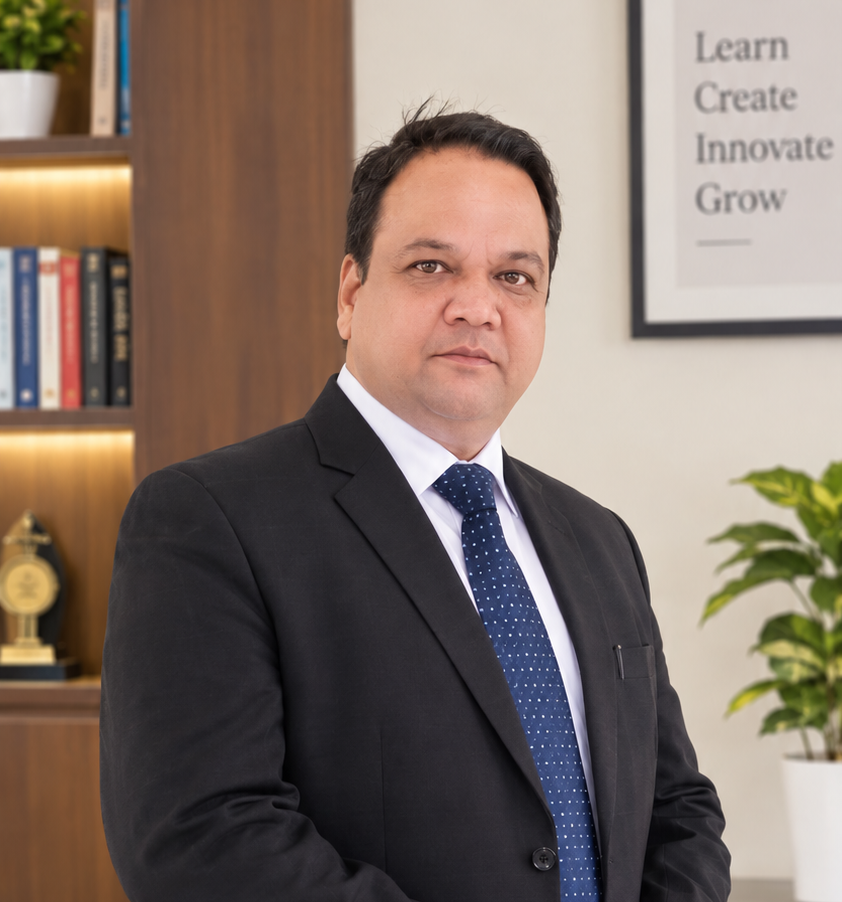
Dr. Rajeev Kaushik

Dr. Rajeev Kaushik

Ph.D & Head of Department

PEOs

PSOs

  • PEO 1: Fundamental Knowledge: Provide students with a strong foundation in computing concepts, programming, and IT skills necessary for problem-solving.
  • PEO 2: Practical Application: Enable students to apply theoretical knowledge in real-world computing tasks through hands-on laboratory experiences.
  • PEO 3: Technical Proficiency: Develop skills in software development, hardware management, and networking to meet industry standards.
  • PEO 4: Lifelong Learning & Innovation: Encourage continuous learning, adaptability to new technologies, and innovative problem-solving approaches.
  • PEO 5: Collaboration & Communication: Promote teamwork and effective communication skills to work on interdisciplinary projects and IT-based solutions.


  • PSO 1: Ability to apply and analyses computational concepts in the areas related to algorithms, machine learning, cloud computing, web designing and web services.
  • PSO 2: Ability to apply standard practices and methodologies in software development and project management.
  • PSO 3: Ability to employ fundamental concepts and emerging technologies for innovative research activities, carrier opportunities & zeal for higher studies.

Program Outcome

Engineering Graduates will be able to:

  • Engineering knowledge: Apply the knowledge of mathematics, science, engineering fundamentals, and an engineering specialization to the solution of complex engineering problems.
  • Problem analysis: Identify, formulate, review research literature, and analyze complex engineering problems reaching substantiated conclusions using first principles of mathematics, natural sciences, and engineering sciences.
  • Design/development of solutions: Design solutions for complex engineering problems and design system components or processes that meet the specified needs with appropriate consideration for the public health and safety, and the cultural, societal, and environmental considerations.
  • Conduct investigations of complex problems: Use research-based knowledge and research methods including design of experiments, analysis and interpretation of data, and synthesis of the information to provide valid conclusions.
  • Modern tool usage: Create, select, and apply appropriate techniques, resources, and modern engineering and IT tools including prediction and modeling to complex engineering activities with an understanding of the limitations.
  • The Engineer and the World – Assess societal, health, safety, legal, cultural, and sustainability impacts globally.
  • Ethics: Apply ethical principles and commit to professional ethics and responsibilities and norms of the engineering practice.
  • Individual and team work: Function effectively as an individual, and as a member or leader in diverse teams, and in multidisciplinary settings.
  • Communication: Communicate effectively on complex engineering activities with the engineering community and with society at large, such as, being able to comprehend and write effective reports and design documentation, make effective presentations, and give and receive clear instructions.
  • Project management and finance: Demonstrate knowledge and understanding of the engineering and management principles and apply these to one’s own work, as a member and leader in a team, to manage projects and in multidisciplinary environments.
  • Life-long learning: Recognize the need for, and have the preparation and ability to engage in independent and life-long learning in the broadest context of technological change.

Road Map


Admission 2026-27
College Prospectus